



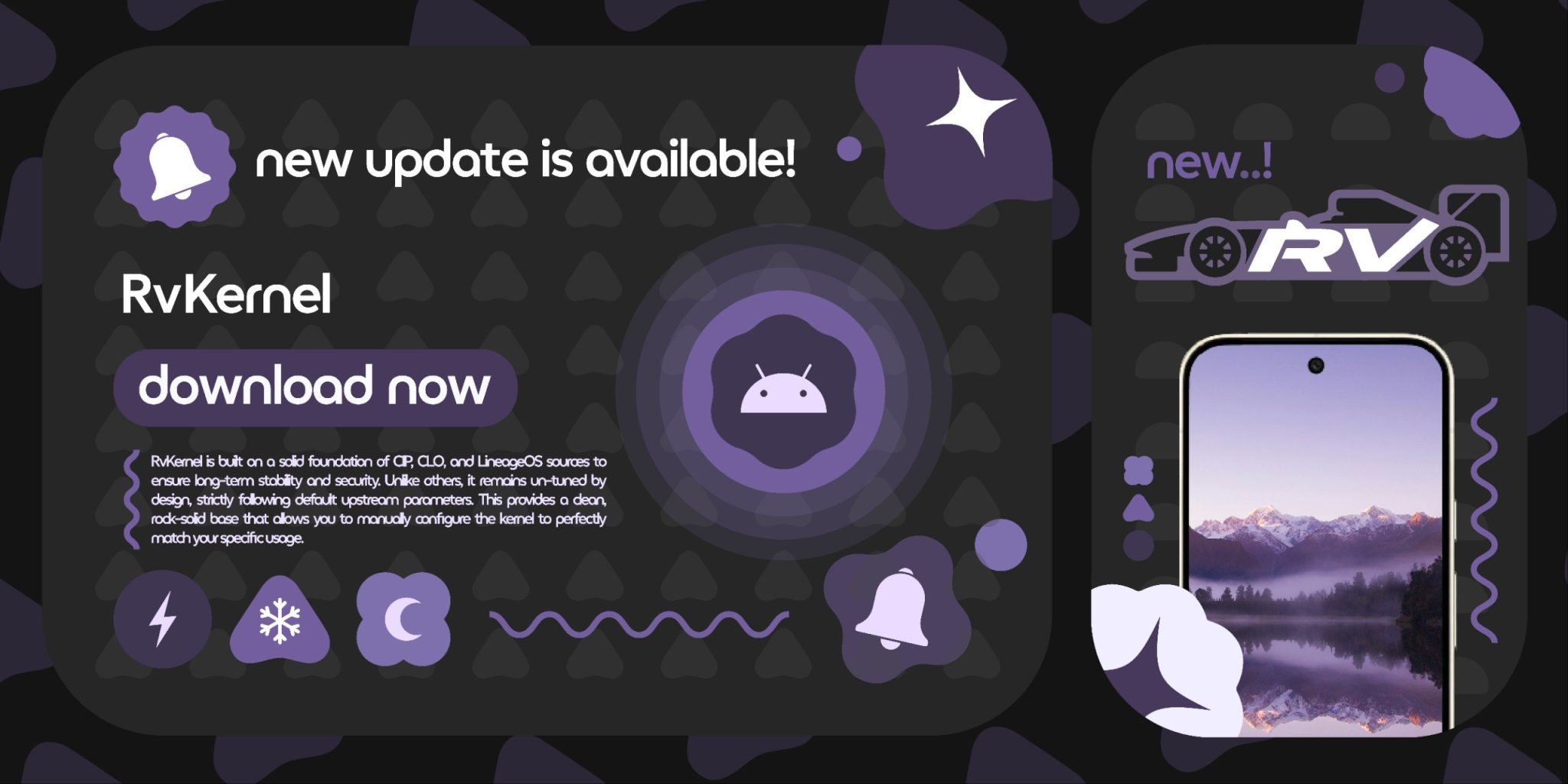
RvKernel Alioth v1.5 is a carefully tuned custom kernel designed for SM8250 devices, especially the Poco F3 / Redmi K40 / Mi 11X (Alioth). Updated on 13 January 2026, this kernel focuses on clean performance, thermal stability, and daily reliability across modern Android versions—from Android 13 all the way to Android 16.
Unlike flashy kernels that chase extreme benchmarks, RvKernel is built with a clear philosophy: stability first, performance where it matters, and no unnecessary risks. This makes it an excellent choice for users running AOSP or custom ROMs who want a dependable kernel without random bugs, overheating, or battery drain.
In this article, we’ll break down what RvKernel is, who it’s for, what makes version 1.5 special, how to use it safely, and whether it’s the right kernel for your setup.
What Is RvKernel?
RvKernel is a custom Linux kernel project developed specifically for Xiaomi SM8250 devices, with Alioth being the primary target. A kernel sits at the very core of Android—it controls how your CPU, GPU, memory, battery, and hardware interact with the operating system.
RvKernel is designed to:
- Improve system responsiveness
- Reduce unnecessary thermal spikes
- Maintain consistent performance under load
- Remain stable across long-term daily use
Rather than pushing aggressive overclocks or risky undervolts by default, RvKernel aims to deliver a balanced experience that works reliably across multiple Android versions.
Supported Android Versions
RvKernel Alioth v1.5 has been tested and verified on:
- Android 13
- Android 14
- Android 15
- Android 16
This wide compatibility makes it a strong option for users who frequently switch ROMs or stay on bleeding-edge Android releases.
⚠️ Important:
RvKernel is NOT meant for MIUI or HyperOS. Flashing it on those ROMs can lead to boot issues or instability. It is strictly intended for AOSP and AOSP-based custom ROMs.
What’s New in RvKernel Alioth v1.5?
Version 1.5 is a refinement-focused release. Instead of introducing experimental features, this update polishes what already works well.
1. Improved Cross-Version Stability
Supporting Android 13 through 16 is not trivial. Each Android version introduces framework and scheduler changes that can break kernels. RvKernel v1.5 ensures consistent behavior across all supported versions, reducing random reboots, freezes, or background performance drops.
2. Better Thermal Control
One of the most appreciated aspects of RvKernel is its controlled thermal behavior. During gaming or heavy multitasking:
- CPU boosts are more controlled
- Heat builds up gradually instead of spiking
- Thermal throttling is smoother and less aggressive
This results in longer sustained performance rather than short bursts followed by heavy throttling.
3. Clean Performance Tuning
RvKernel avoids gimmicks. There are no unsafe default overclocks or unstable governor changes. Instead, the kernel uses:
- Optimized scheduler tuning
- Sensible CPU frequency scaling
- GPU behavior tuned for consistency rather than peaks
This makes the device feel smooth during everyday tasks like scrolling, app switching, and video playback.
4. Battery-Friendly by Design
Because RvKernel does not aggressively push hardware beyond safe limits, battery life remains predictable and stable. Idle drain is minimized, and background processes are handled efficiently.
For users who want reliable screen-on time without babysitting kernel settings, this is a big win.
RvKernel Manager – Easy Control Without Complexity
RvKernel comes with its own RvKernel Manager, a web-based utility that allows users to interact with kernel features in a clean and user-friendly way.
With RvKernel Manager, you can:
- View kernel information
- Adjust supported kernel parameters
- Monitor performance behavior
- Apply tweaks safely without deep terminal usage
This is especially useful for users who want control without risk, avoiding random scripts or unsafe tweaks.
Who Should Use RvKernel?
RvKernel Alioth v1.5 is ideal for:
- Poco F3 / Alioth users on AOSP-based ROMs
- Users running Android 13–16
- People who value stability over benchmark chasing
- Daily drivers who want fewer bugs and better thermals
- Users who don’t want to constantly tweak kernel settings
Who Should NOT Use RvKernel?
You should NOT flash RvKernel if:
- You are on MIUI or HyperOS
- You rely on kernel features exclusive to other kernels
- You want aggressive overclocking by default
- You don’t verify device compatibility before flashing
Always follow kernel notes carefully—kernels are powerful and mistakes can cause boot loops.
Installation Notes (Read Carefully)
RvKernel is distributed as a flashable ZIP via GitHub releases. Installation generally follows standard custom kernel flashing methods through recovery.
Before flashing:
- Make sure your ROM is AOSP-based
- Backup your boot image or create a full NANDroid backup
- Ensure your recovery is up to date
After flashing:
- First boot may take slightly longer
- Allow the kernel to settle (1–2 charge cycles)
- Avoid stacking multiple kernel mods immediately
Community & Support
RvKernel is backed by an active and helpful community. If you encounter issues, updates, or announcements, you can follow the official channels:
- Official Channel – for updates and announcements
- Discussion Group – for help, feedback, and community support
The developer also provides credits openly and acknowledges contributors, which reflects transparency and respect for the open-source ecosystem.
Credits & Acknowledgements
Special thanks go to:
- @allisterhellground for the banner design
- All testers and community members who helped verify stability
- Users who provide feedback and logs to improve future releases
Open development and community testing are key reasons why RvKernel remains reliable across Android versions.
Final Verdict: Is RvKernel Alioth v1.5 Worth Using?
If you are running an AOSP-based ROM on Poco F3 / Alioth and want a kernel that:
- Works reliably from Android 13 to 16
- Controls heat effectively
- Delivers smooth, consistent performance
- Avoids unnecessary risks
Then RvKernel Alioth v1.5 is absolutely worth flashing.
It may not chase extreme benchmarks, but it excels where it matters most: daily usability, stability, and long-term reliability. For many users, that makes it a perfect daily-driver kernel.