


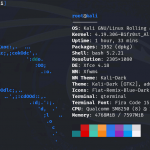


The Redmi Note 13 Pro 5G (Garnet) receives a new custom kernel with the release of Nerotuno Kernel v1.0. Developed by Nerotuno, this kernel targets Android 15 and Android 16 (QPR0–QPR2) ROMs and focuses on delivering improved system responsiveness, better memory management, optimized networking, and enhanced overall stability.
Built with LLVM Clang 19, the kernel incorporates upstream Linux updates, modern scheduler improvements, and several performance-oriented tweaks while remaining lightweight for daily use.
Nerotuno Kernel v1.0 Information
- Kernel Name: Nerotuno Kernel v1.0
- Supported Android Versions: Android 15 & Android 16 (QPR0–QPR2)
- Device: Redmi Note 13 Pro 5G (Garnet)
- Kernel Type: OSS Custom Kernel
- Developer: Nerotuno
- Updated: 18 April 2026
What’s New in Nerotuno Kernel v1.0?
Linux Kernel Upstream
The kernel has been updated to Linux Kernel 5.10.252, bringing upstream bug fixes, security improvements, and better overall system stability.
Latest CodeLinaro Platform Updates
Nerotuno Kernel merges the latest CodeLinaro KERNEL.PLATFORM.1.0.r3-07400-kernel.0 changes, improving compatibility with Qualcomm hardware and enhancing kernel reliability.
BBR TCP Congestion Control
The default TCP congestion algorithm has been switched to BBR, helping improve network throughput, reduce latency, and deliver smoother online performance during downloads, streaming, and gaming.
Lower System Latency
Kernel Page Table Isolation (KPTI) has been disabled to reduce syscall latency, resulting in faster UI interactions and improved overall responsiveness.
Memory Optimization
LMKD (Low Memory Killer Daemon) and pressure handling have been tuned specifically for both 6GB and 8GB RAM variants, helping improve multitasking and reducing unnecessary background process termination.
GPU Improvements
The GPU idle timeout has been reduced to 58 milliseconds, providing a better balance between graphics responsiveness and power efficiency.
Improved ZRAM Performance
ZRAM compression and memory handling have been optimized, improving memory efficiency and helping maintain smooth performance during heavy multitasking.
System Optimization
Several additional performance optimizations and stability improvements have been included throughout the kernel to deliver a smoother user experience.
Built with LLVM Clang 19
The kernel is compiled using LLVM Clang 19, providing modern compiler optimizations for improved performance and efficiency.
Kernel Features
Nerotuno Kernel includes:
- Linux Kernel 5.10.252
- LLVM Clang 19
- Full LTO (Link Time Optimization)
- KernelSU-Next v3.2.0
- BBR TCP congestion control
- Optimized LMKD configuration
- Optimized ZRAM
- GPU idle timeout tuning
- Qualcomm CodeLinaro updates
Official Changelog
- Updated Linux Kernel to 5.10.252
- Merged CodeLinaro KERNEL.PLATFORM.1.0.r3-07400-kernel.0
- Switched default TCP algorithm to BBR
- Disabled KPTI for lower syscall latency
- Optimized LMKD and memory pressure handling
- Reduced GPU idle timeout to 58ms
- Improved ZRAM compression and performance
- General performance optimizations
- Improved system stability
- Compiled with LLVM Clang 19
Installation Notes
Before flashing the kernel, the developer recommends:
- Compatible with Android 15 and Android 16 QPR0–QPR2.
- Includes KernelSU-Next v3.2.0 without SUSFS.
- Built with Full LTO optimizations.
- Do NOT flash this kernel on MIUI, HyperOS, or HyperOS Port ROMs, as it will cause a bootloop.
- Always back up your current boot image or create a full backup before flashing.
Important Links
Credits
Special thanks to everyone who contributed to this release:
- Nerotuno – Kernel developer
- grewal – Base kernel
- jotanh – Development assistance and commits
Final Thoughts
Nerotuno Kernel v1.0 is a performance-oriented custom kernel designed for AOSP-based Android 15 and Android 16 ROMs on the Redmi Note 13 Pro 5G. By combining Linux 5.10.252, Qualcomm CodeLinaro updates, BBR networking, optimized memory management, GPU tuning, and LLVM Clang 19, it delivers noticeable improvements in responsiveness, multitasking, and overall system stability.
The inclusion of KernelSU-Next and Full LTO makes it an attractive choice for power users, but it is important to remember that this kernel is not compatible with MIUI, HyperOS, or HyperOS Port ROMs. Ensure you’re using a supported AOSP ROM before flashing and always create a complete backup to avoid data loss.